Seasonal discounts on select botanicals!

Mushroom Cultivation Basics for Home in India
Learn the essentials of mushroom cultivation at home in India. Discover the key differences between cultures, spawn, and substrate while finding the best strains suited for the Indian climate.
3/9/20262 min read
The Rising Trend of Mushroom Cultivation in India
Mushroom cultivation is experiencing a massive boom across India. From hobbyists in urban apartments to commercial growers looking for high-value crops, more people are discovering the rewarding world of mycology. But whether you are growing for the kitchen table or the local market, every successful harvest starts with the same foundation: a high-quality culture.
Think of the culture as the "seed" of the mushroom, containing the living mycelium isolated in a sterile environment. Starting with a vigorous, contaminant-free liquid culture or agar plate is the single most important step. It ensures your mushrooms have the strong genetic head start they need to colonize rapidly and produce heavy flushes.
Selecting the Right Strain for Your Setup
Not all mushrooms have the same growing requirements. Choosing the right species for your skill level and the diverse Indian climate is crucial for a successful grow.
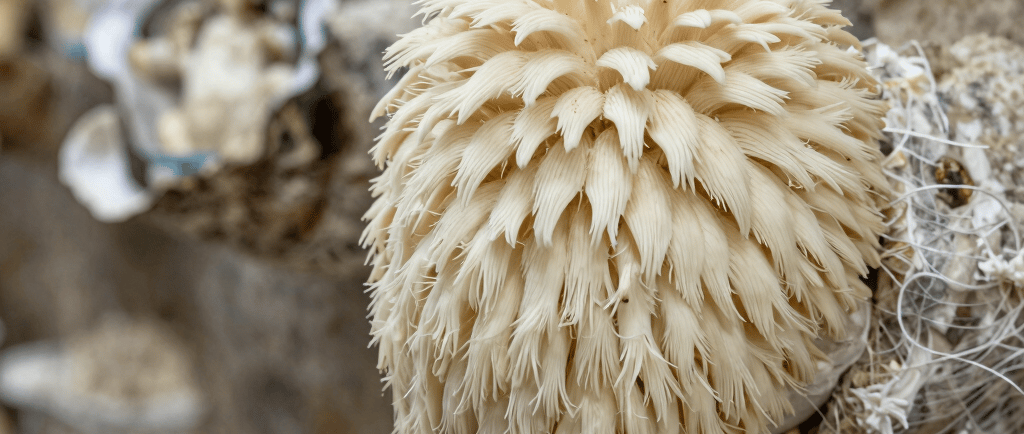
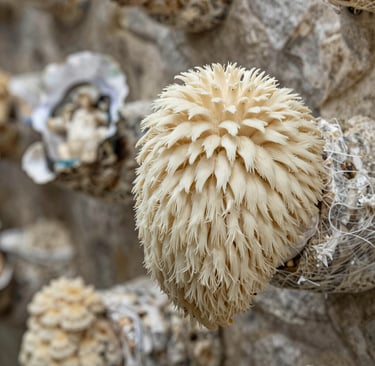
Elm Oyster: An incredibly forgiving and aggressive colonizer that handles temperature fluctuations well, making it a top recommendation for first-time growers in India. It adapts easily to various environments and produces beautiful, prolific clusters.
Cordyceps Militaris: For those looking for something highly valued in the Indian wellness and supplement market, Cordyceps is famous for its bright orange fruiting bodies. It offers a slightly more advanced but highly profitable growing process directly on a nutrient broth or grain.
Panellus stipticus: If you want a fun, novelty project, this bioluminescent species actually glows in the dark and is a fascinating addition to any Indian mycologist's collection.
Mastering Spawn and Substrate
Once your culture is ready, it needs food and a place to grow. This is where spawn and substrate come in.
Mushroom Spawn: This is grain (like oats, wheat, or rye) that has been fully colonized by your mycelium culture. It acts as the transfer vehicle to introduce the mycelium to its final growing medium.
Substrate: This is the bulk material where the mushrooms will actually fruit. A widely trusted standard for many varieties is CVG substrate (Coco Coir, Vermiculite, and Gypsum). Since high-quality coco coir is abundant in India, CVG is an incredibly accessible and effective substrate that holds moisture exceptionally well while providing the perfect airy structure.
Sourcing Fresh, Local Supplies in India
When dealing with living organisms like mushroom mycelium, transit time matters. Importing cultures internationally often means long shipping times, temperature stress, and customs delays, which can degrade or even kill your cultures before they arrive.
The difference between a frustrating failure and a massive canopy of mushrooms almost always comes down to the freshness and quality of your starting materials. At YubeBotanica, we are proud to provide India’s mushroom growing community with premium genetics and sterile, lab-quality cultivation supplies.
Whether you need vigorous isolated cultures, pre-sterilized grain, or perfectly hydrated CVG substrate shipped directly to your door anywhere in India, we have everything you need to bring your mycology projects to life.
YubeBotanica
One Shop For Mycology
Contact
Newsletter
YubeBotanica@protonmail.com
© 2024. All rights reserved.